

Ciudad de México
Descubre la magia de Alicia en un viaje único lleno de luz, color y fantasía ¡Los boletos ya están a la venta! COMPRAR BOLETOS Un recorrido
 iluminado

Show de luces
& videomapping

Actores
en vivo
Ciudad de México
Descubre la magia de Alicia en un viaje único lleno de luz, color y fantasía ¡Los boletos ya están a la venta! COMPRAR BOLETOS Un recorrido Show de luces
& videomapping
Actores
en vivo
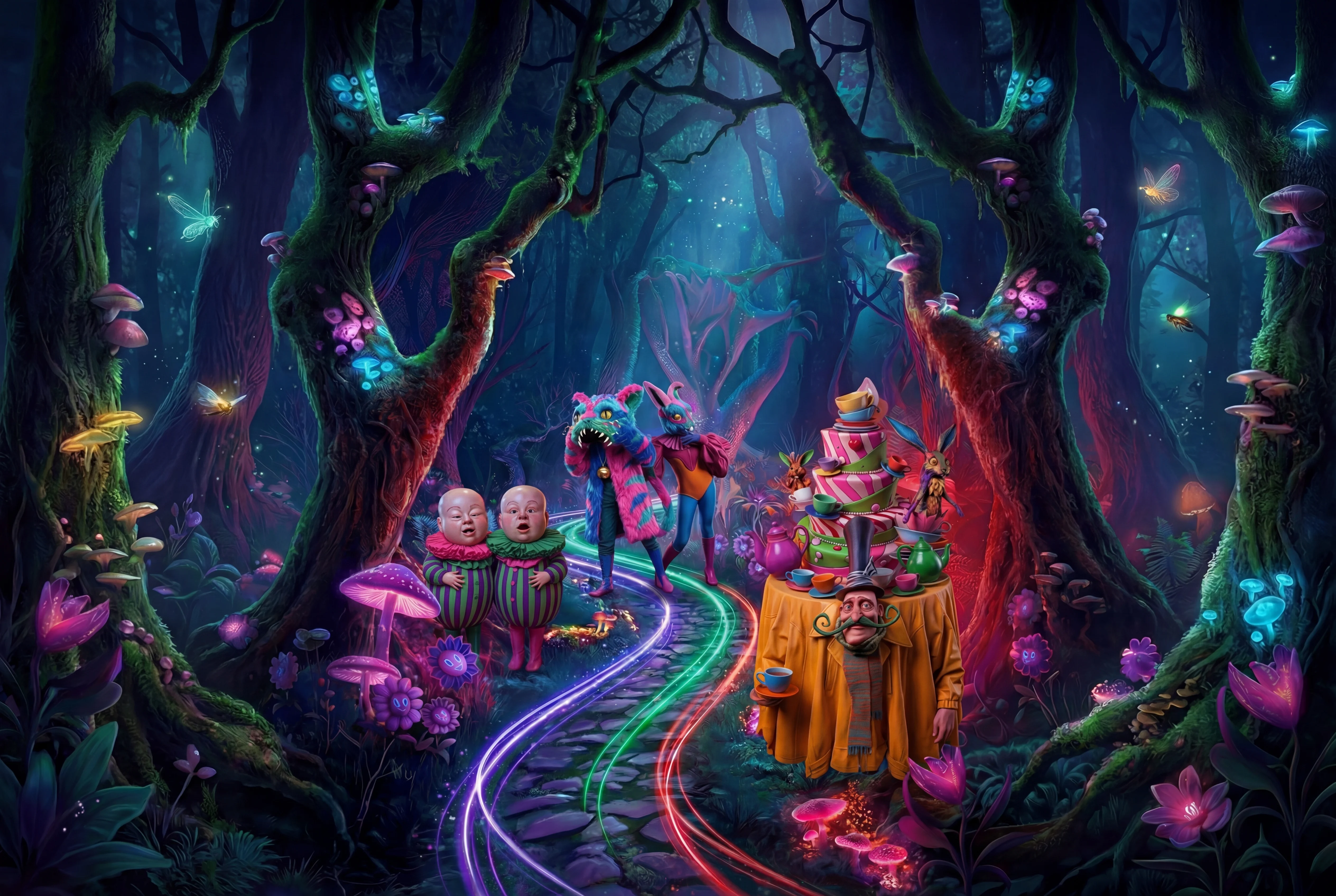
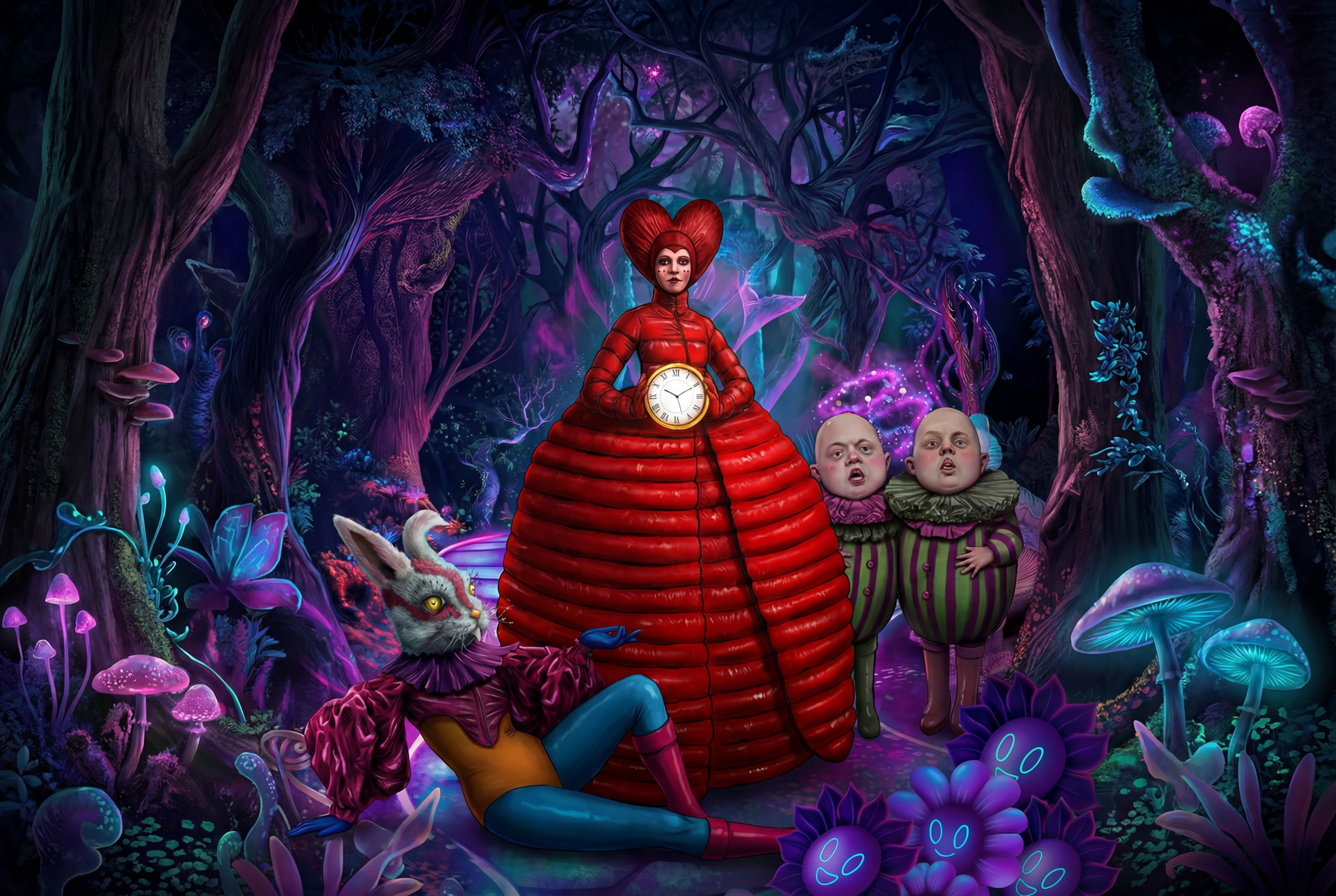
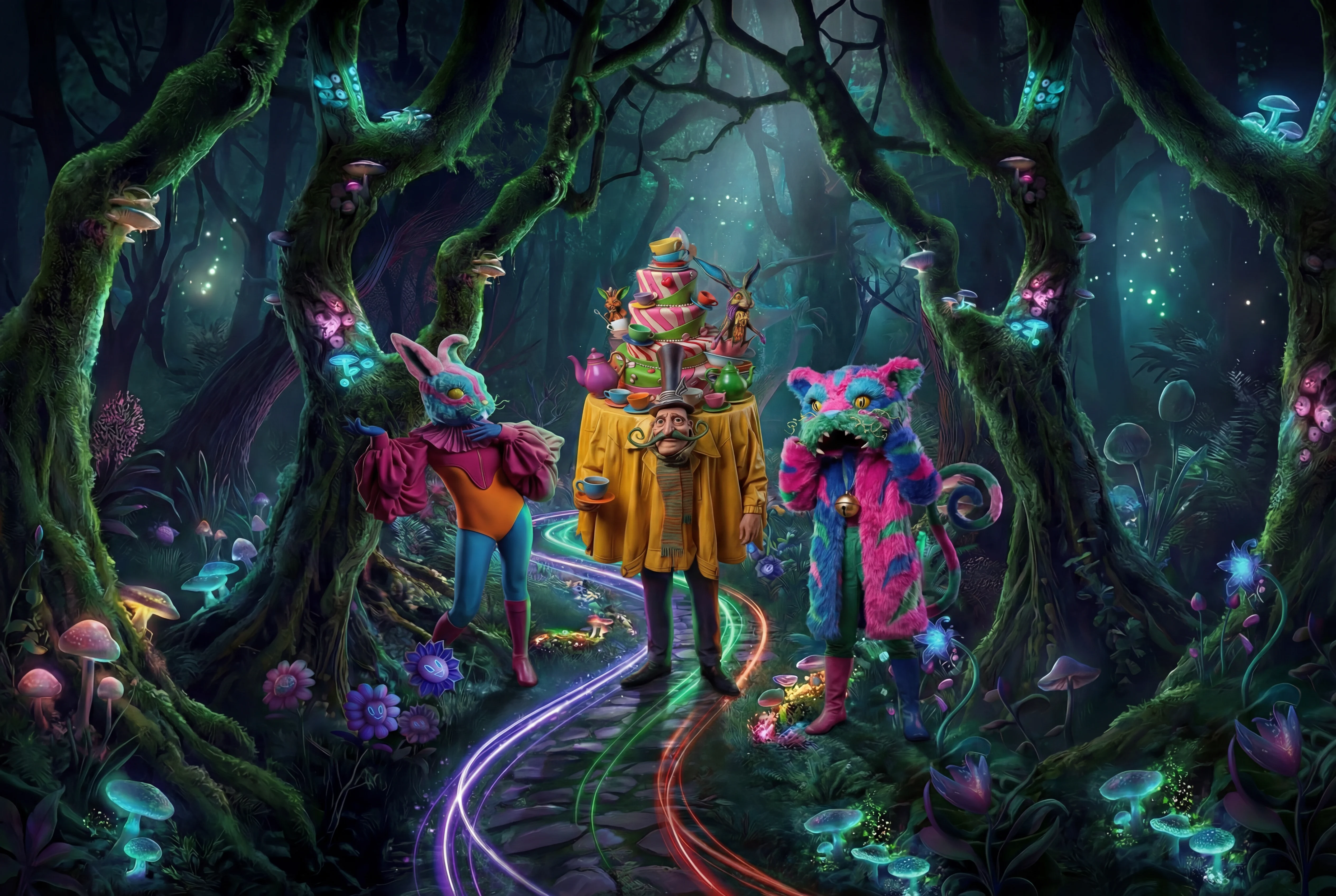
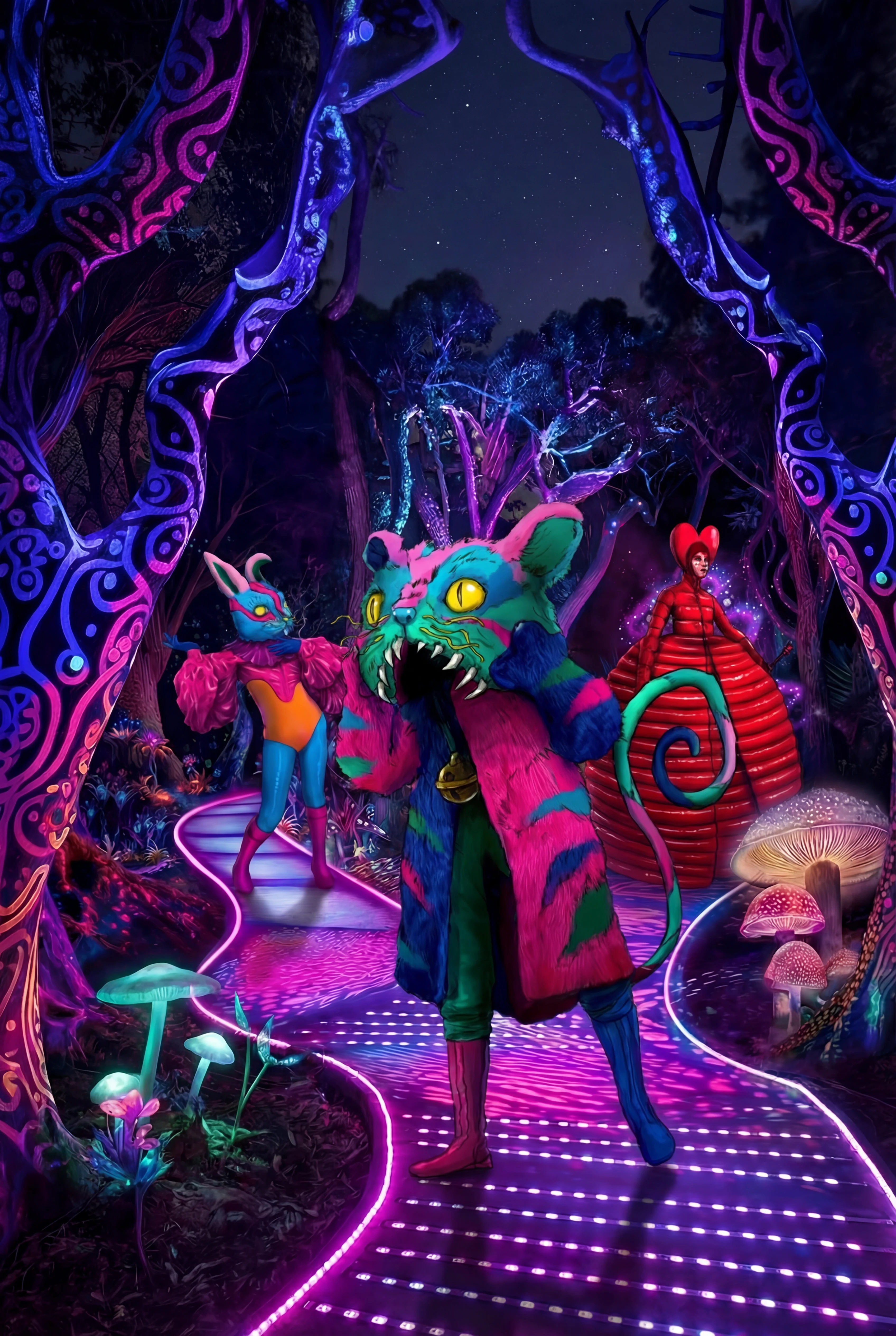
Emprende un viaje fascinante al mundo de Alicia en el País de las Maravillas, donde sus secretos cobran vida con iluminación innovadora y videomapping. Interactúa con personajes icónicos y explora paisajes oníricos en una experiencia única de fantasía y naturaleza.



In sum, an insect prison remake can transcend spectacle to become a nuanced exploration of control, empathy, and the human impulse to manage life. By centering insect agency, interrogating technocratic rationales, and embedding human moral struggle, such a work can prompt viewers to reconsider how society values—and confines—the lives it claims to protect.
A remake can also explore legal and philosophical implications. What rights, if any, do nonhuman organisms possess? Should laws evolve to reflect new understandings of cognition and welfare across species? By dramatizing a legal challenge or public outcry—perhaps sparked by leaked footage or a protest—the story can examine society’s shifting values and the slow, contentious process of reform. Incorporating public reaction highlights how media narratives shape collective conscience, turning quiet ethical dilemmas into polarized cultural debates. insect prison remake save work
The concept of an "insect prison remake" conjures a striking, surreal scenario: tiny creatures contained within an engineered microcosm, lives regulated by human hands or mechanical systems. Reimagining this idea for a modern audience offers rich thematic ground—exploring power dynamics, ecological ethics, surveillance, and the blurred line between captivity and care. A remake can transform an initially sensational premise into a thoughtful meditation on control, agency, and the consequences of human intervention in the natural world. In sum, an insect prison remake can transcend
Technological and environmental themes can deepen the remake's resonance. Imagine a facility designed ostensibly for conservation—housing endangered insect species in climate-controlled habitats—yet operated under strict data-driven protocols that prioritize measurable outputs over individual well-being. This setup critiques technocratic attempts to "manage" nature and raises questions about what qualifies as protection versus imprisonment. The prison's architecture—transparent enclosures, sensors tracking movement, automated feeding systems—can visually represent modern surveillance culture, where observation is framed as benign oversight but can become a means of control and exploitation. What rights, if any, do nonhuman organisms possess
At its core, an insect prison is a metaphor for systems that confine and categorize life. Insects, often perceived as lesser or expendable, highlight how societies justify domination over those deemed different or inferior. A contemporary remake can interrogate those justifications by giving the insects more than symbolic status: through close observational detail, the narrative can render their behaviors complex and purposeful, forcing characters and audiences to confront the moral dissonance of containment. By shifting perspective—alternating human viewpoint with moments that center insect activity or sensory experience—the story can complicate easy moral judgments and emphasize empathy across scales of life.