YouTube, since its inception, has evolved into a global platform where individuals can share their talents, insights, and creativity with a worldwide audience. In Pakistan, like many other countries, YouTube has become a go-to platform for entertainment, offering a diverse range of content from music videos, drama clips, and comedic sketches to more traditional forms of entertainment such as Mujra.
In the vast landscape of Pakistani entertainment, certain names have managed to carve out a niche for themselves, resonating with audiences across different platforms. Nida Chaudhry is one such figure who, in 2013, found herself at the center of attention, particularly on YouTube, where her content related to Pakistani Mujra garnered significant interest. YouTube, since its inception, has evolved into a
The story of Nida Chaudhry and her YouTube presence in 2013 serves as a fascinating case study of how traditional forms of entertainment can find new life on digital platforms. It also highlights the changing dynamics of the entertainment industry, where individuals can gain recognition and build audiences around their unique talents. As digital platforms continue to evolve, it will be interesting to see how artists like Nida Chaudhry leverage these spaces to share their work with the world. Nida Chaudhry is one such figure who, in
The reception of Nida Chaudhry's content on YouTube reflects the evolving tastes and preferences of the audience, particularly those interested in niche forms of entertainment like Mujra. Her ability to cater to an exclusive audience segment highlights the platform's power in providing targeted content that resonates with specific groups. Moreover, Chaudhry's presence on YouTube underscores the platform's role in democratizing entertainment, offering artists and performers a space to showcase their talents to a global audience. As digital platforms continue to evolve, it will
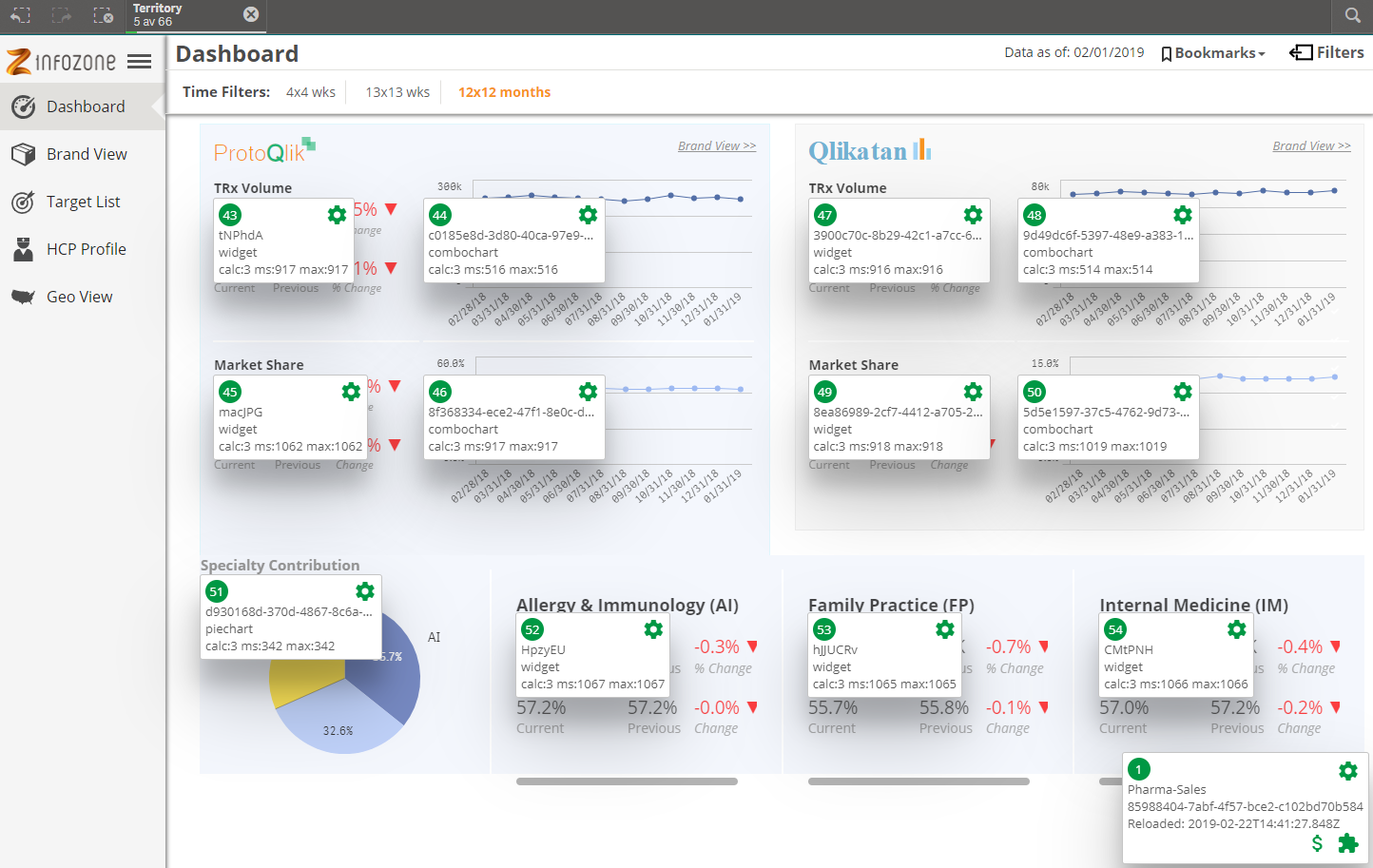
Add Sense for Chrome works in both the build-in Sense client and in mashups using the Capabilities APIs
Charts displayed with the API through getObject and visualization.show will be tagged.
Used app(s) will be displayed in the bottom right corner.
Properties and other buttons will work just as in the client.
If your mashup shows charts from more than one app, all will be listed.
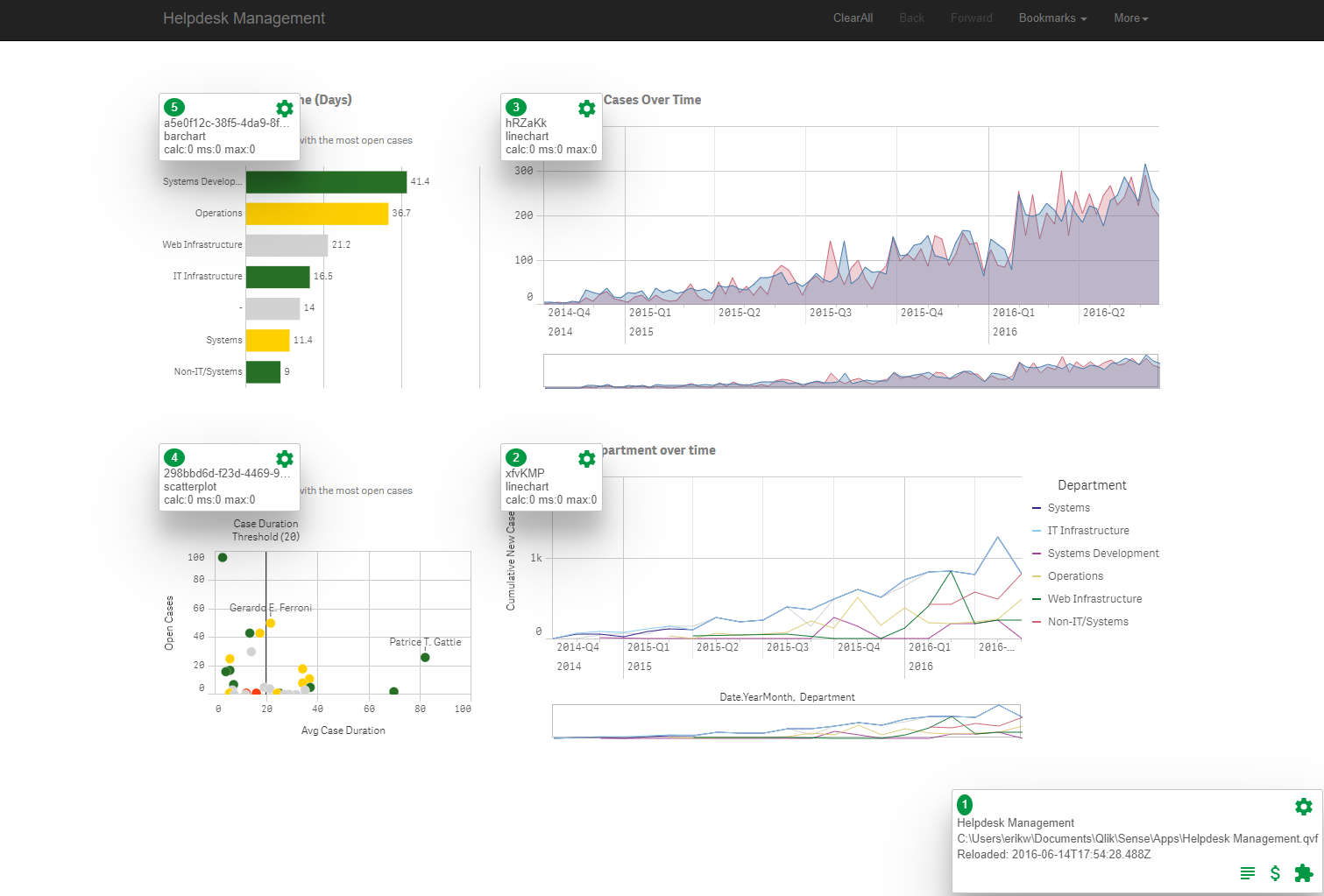
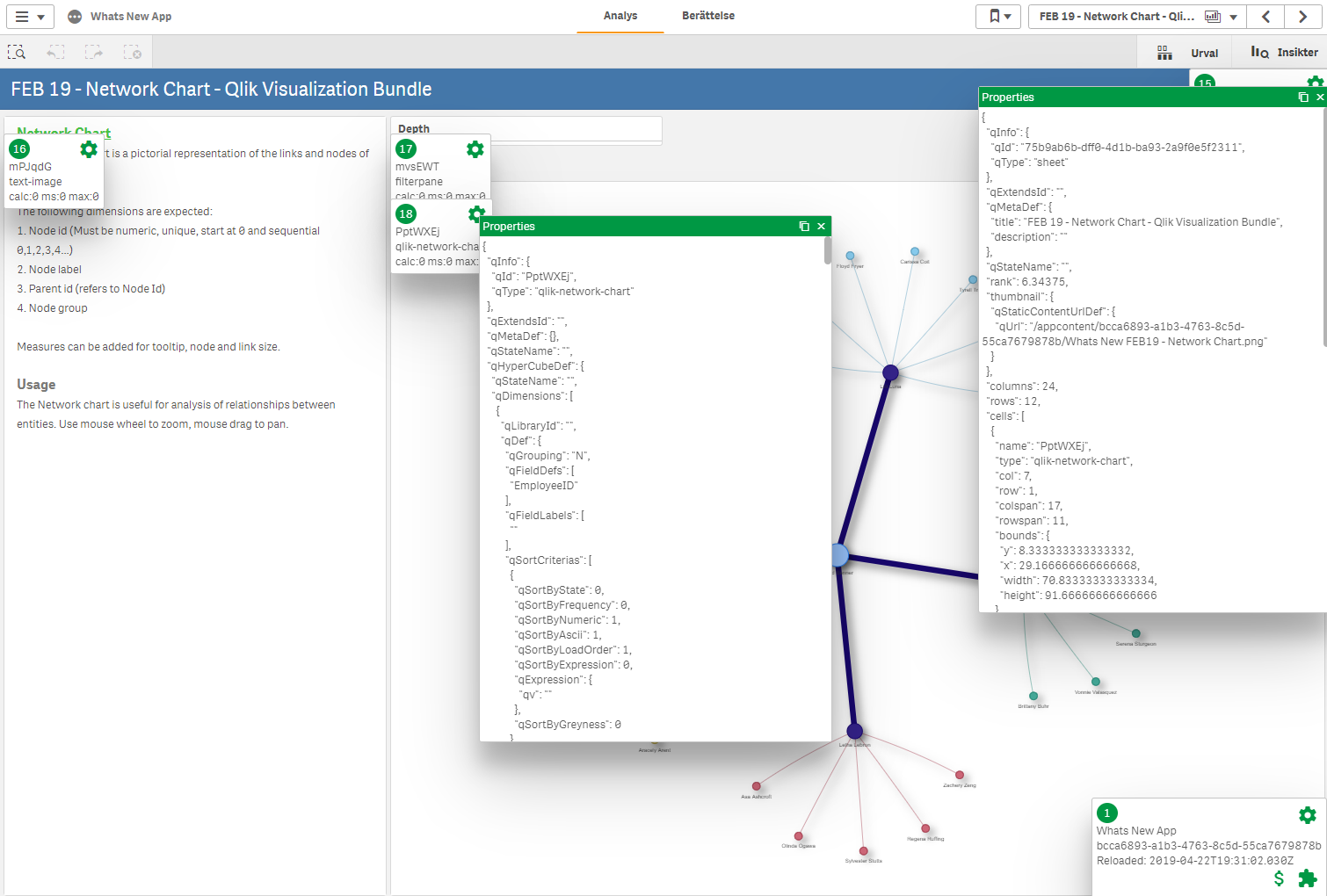
For all charts, sheets and the app you can click on the cogwheel.
That will display the properties for the object.
Use this to troubleshoot or to investigate what settings produce this chart.
You can display several objects properties at the same time, to make comparisons.
Properties can also be copied to clipboard.
From the app box you can inspect the script, variables and app properties.
Windows can be open at the same time and moved.
You can also copy window contents, complete or partly, to the clipboard.
If you do not have access to the script the script button will not be available.
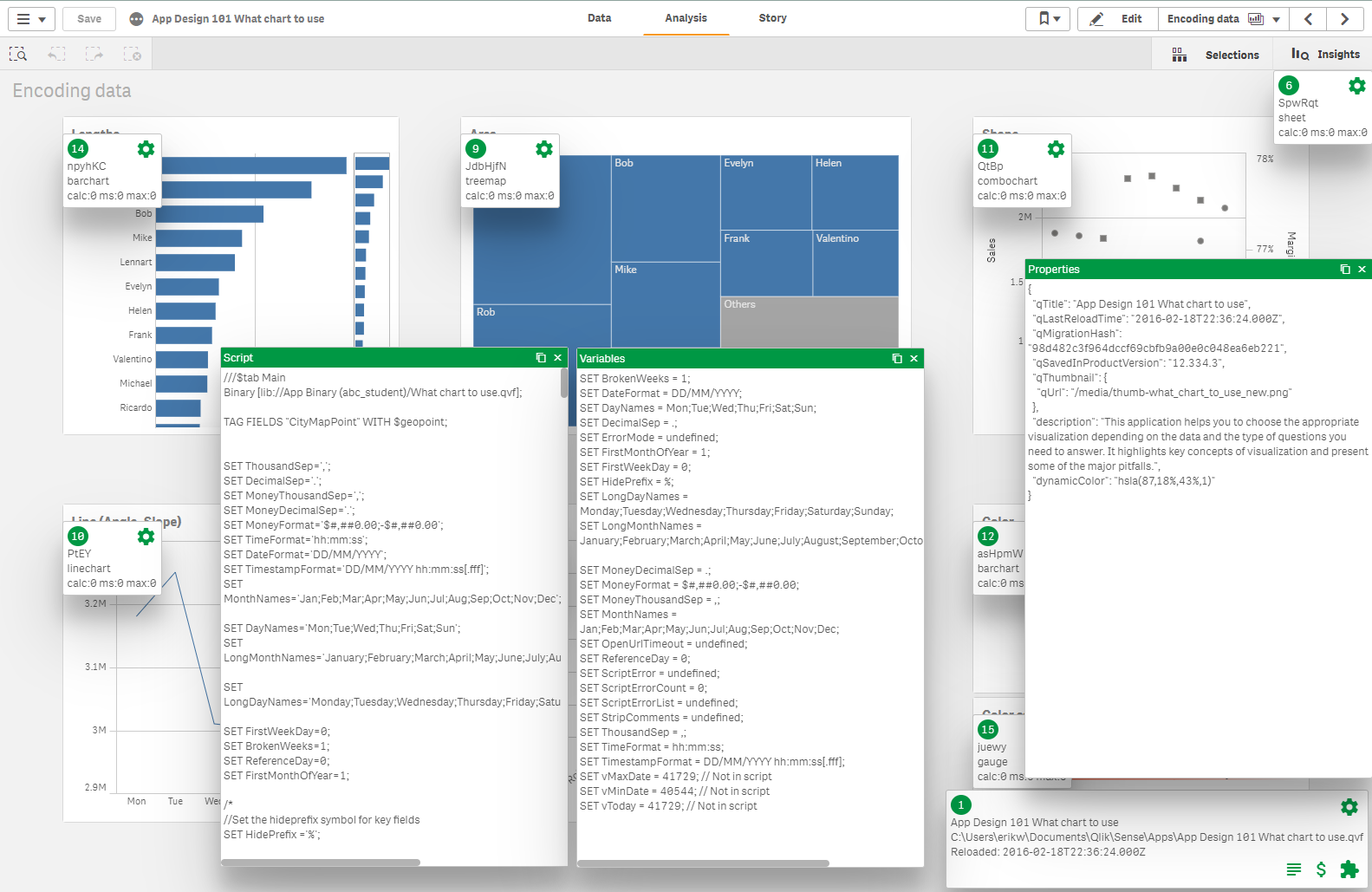
You can also easily see what extensions and charts are used in your app.
Just click on the extensions button in the app info box.
You will get a list of all axtensions and built-in charts are used in your extension, with title and sheet title
Master objects are also included.
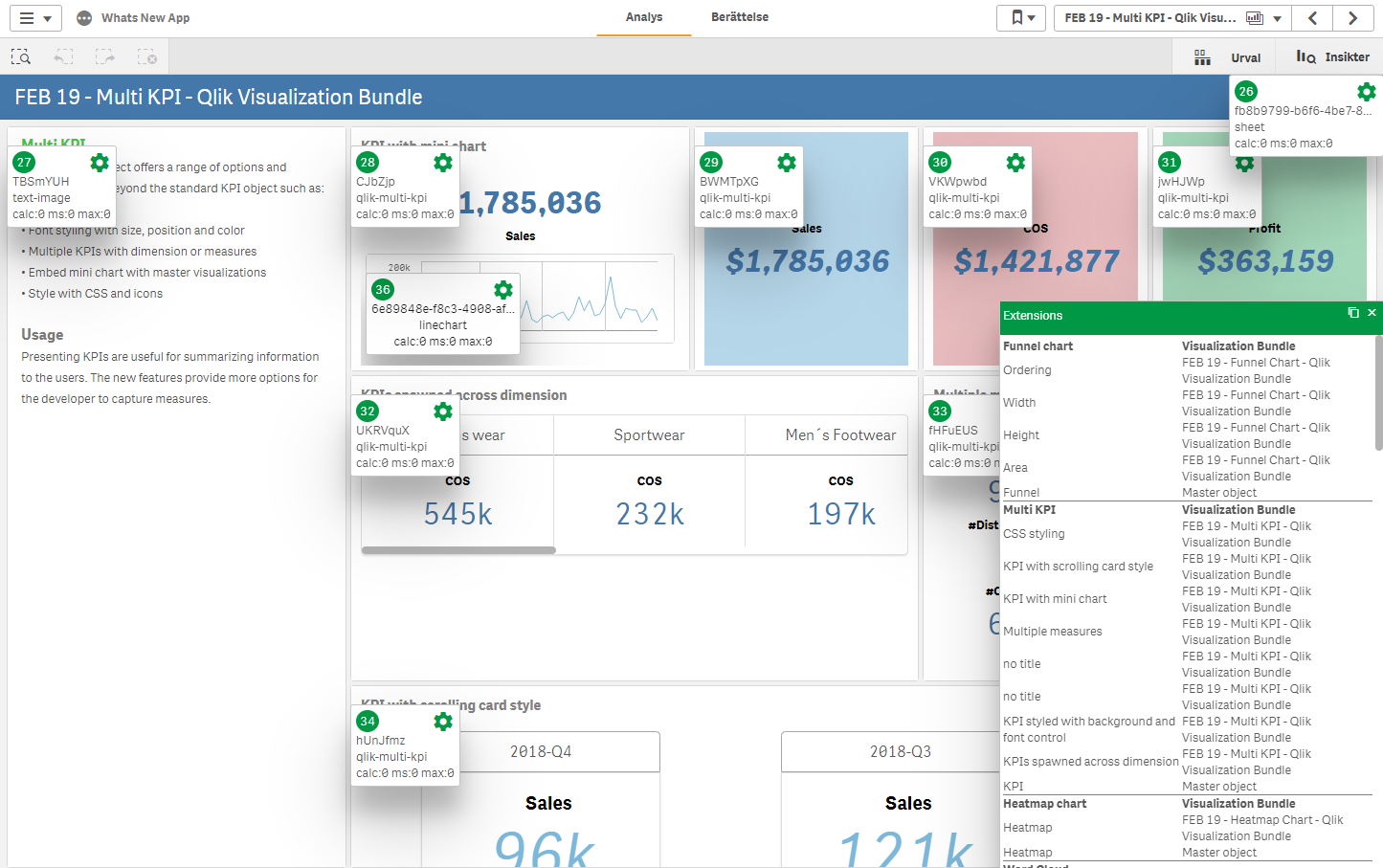
The extension can also help you find performance problems.
When you enable the extension on a page, whether it's the standard client or a mashup, it will start recording recalculation times.
Every time an object is revalidated then extension will register time elapsed for recalculation.
It will also count how many revalidations has occured.
If the object is no longer on the screen, the extension will continue to monitor recalculations, so when you re-enable it you will get all the statistics.